
After a Root Canal: Follow-Up Care and Your Final Restoration

Completing a root canal is an important step toward saving a natural tooth, but treatment does not always end when you leave the endodontist's office. The tooth may still need a permanent filling, crown, or another final restoration to protect it during everyday biting and chewing.
At Coastal Endodontic Studio in San Luis Obispo, we focus on treating the inside of the tooth and helping patients understand what comes next. Following through with recommended dental care can help protect your treated tooth for the long term.
What Should You Expect After a Root Canal?
Your mouth may remain numb for several hours after treatment. Once the anesthesia wears off, the treated tooth may feel tender, especially when you bite or chew. Mild jaw soreness can also occur after keeping your mouth open during the procedure.
These symptoms should gradually improve as the area heals. Follow the aftercare instructions provided by your endodontist and avoid placing unnecessary pressure on the treated tooth until you know how it feels.
Contact our San Luis Obispo team if discomfort becomes severe, swelling develops, or your symptoms are worsening instead of improving.
Why Do You Need a Final Restoration?
Root canal therapy removes inflamed or infected tissue from inside the tooth, then cleans, disinfects, fills, and seals the root canal system. However, the visible portion of the tooth may still require additional protection.
Depending on the condition and location of the tooth, your general dentist may recommend a permanent filling, core buildup, or crown.
A final restoration can help:
Protect weakened tooth structure from fracture
Seal the treated tooth against leakage and bacteria
Restore normal shape and chewing function
Replace damaged or missing tooth structure
Support the tooth during long-term everyday use
The appropriate restoration depends on how much natural tooth remains and the amount of biting force the tooth receives.
Why Are Crowns Often Recommended?
Back teeth, including molars and premolars, handle significant chewing forces. If one of these teeth has been weakened by decay, a fracture, a large previous filling, or the access needed for root canal treatment, a crown may provide additional protection.
A crown covers the visible portion of the tooth and helps distribute biting forces across the restoration.
Not every root canal-treated tooth automatically requires the same restoration. Your general dentist will evaluate the tooth and determine whether a crown, filling, or another option is most appropriate.
How Soon Should You See Your General Dentist?
After root canal therapy at Coastal Endodontic Studio, you may be instructed to return to your general dentist within a couple of weeks for the final restoration.
It is important not to delay this step unnecessarily. A temporary restoration is not intended to serve as the permanent solution. Waiting too long may increase the risk of leakage, fracture, or reinfection.
If you are unsure whether your tooth has received its final restoration, contact your general dentist or our office for guidance.
What About Follow-Up With the Endodontist?
Some patients may also need follow-up with their endodontist so healing can be evaluated. The recommended schedule depends on the condition of the tooth, the infection that was treated, and your individual case.
Continue routine dental examinations and cleanings after your root canal. Brush and floss consistently around the restored tooth just as you would your other teeth. Root canal treatment removes the pulp from inside the tooth, but the surrounding gum tissue and remaining tooth structure still require regular care.
A treated tooth can function for many years when root canal therapy, the final restoration, oral hygiene, and ongoing dental care all work together.
If you have questions after root canal treatment or need specialized endodontic care in San Luis Obispo, contact Coastal Endodontic Studio at 1039 Murray Avenue, Suite 120, San Luis Obispo, CA 93405 by calling (805) 960-3636.
Our Locations
Learn More
Keep
In Touch
Visit Us Today
Find a location
Atascadero
Location
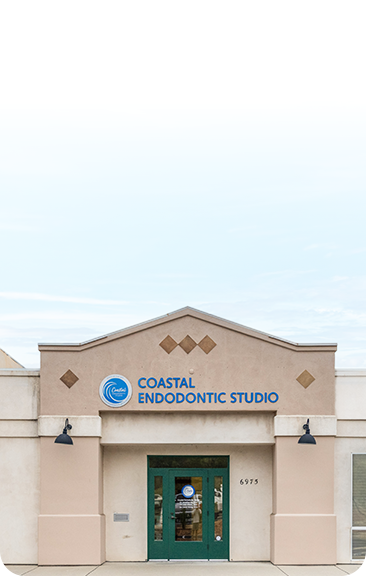
Atascadero
6975 San Luis Avenue Atascadero, CA 93422 Call: 805-960-ENDO (3636)
- Monday
- 8:00am - 5:00pm
- Tuesday
- 8:00am - 5:00pm
- Wednesday
- 8:00am - 5:00pm
- Thursday
- 8:00am - 5:00pm
- Friday
- Closed
- Saturday
- Closed
- Sunday
- Closed
San Luis Obispo
Location
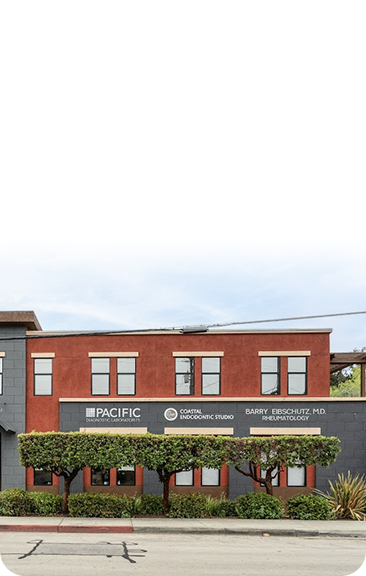
San Luis Obispo
1039 Murray Avenue, Suite 120 San Luis Obispo, CA 93405 Call: 805-960-ENDO (3636)
- Monday
- 8:00am - 5:00pm
- Tuesday
- 8:00am - 5:00pm
- Wednesday
- 8:00am - 5:00pm
- Thursday
- 8:00am - 5:00pm
- Friday
- 8:00am - 5:00pm
- Saturday
- Closed
- Sunday
- Closed
Santa Maria
Location
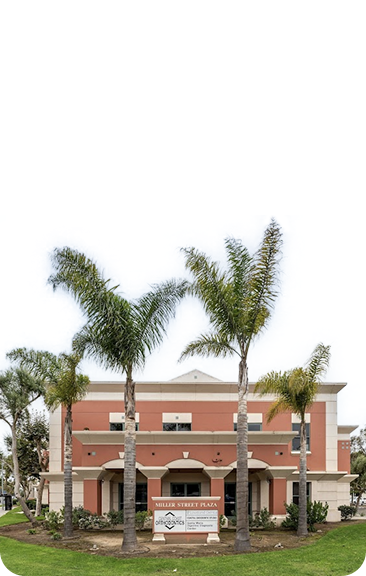
Santa Maria
1315 South Miller Street Suite 202 Santa Maria, CA 93454 Call: 805-960-ENDO (3636)
- Monday
- Closed
- Tuesday
- 8:00am - 5:00pm
- Wednesday
- 8:00am - 5:00pm
- Thursday
- 8:00am - 5:00pm
- Friday
- 8:00am - 5:00pm
- Saturday
- Closed
- Sunday
- Closed
Arroyo Grande
Location
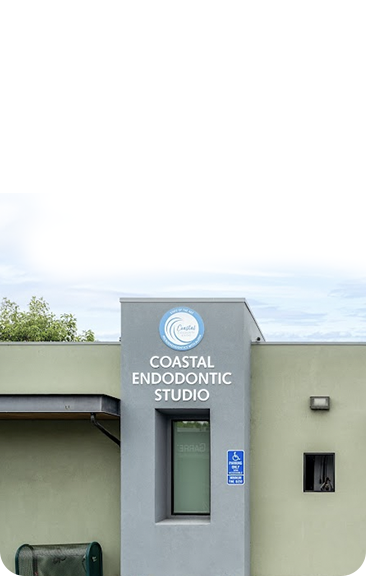
Arroyo Grande
1054 East Grand Ave., Suite C Arroyo Grande, CA 93420 Call: 805-960-ENDO (3636)
- Monday
- 8:00am - 5:00pm
- Tuesday
- 8:00am - 5:00pm
- Wednesday
- 8:00am - 5:00pm
- Thursday
- 8:00am - 5:00pm
- Friday
- Closed
- Saturday
- Closed
- Sunday
- Closed
© 2026 Coastal Endodontic Studio. All Rights Reserved. Accessibility Statement - Privacy Policy - Sitemap
