

Endodontic FAQ\'s
Before Treatment
What is an endodontist?
An endodontist is a dentist who specializes in diagnosing tooth pain and treating problems involving the dental pulp—the soft tissue inside your tooth. Endodontists complete advanced training focused on root canal treatment, dental injuries, cracked teeth, and procedures designed to save natural teeth.
Why was I referred to an endodontist?
Your dentist may refer you to an endodontist when a tooth requires specialized diagnosis or treatment. Common reasons include persistent tooth pain, sensitivity to hot or cold, swelling, a cracked tooth, dental trauma, or concerns about a previous root canal.
Why do I need a CBCT if my dentist already took X-rays?
Traditional dental X-rays remain extremely valuable, but they compress three-dimensional anatomy into a two-dimensional image. Roots, bone, fillings, and other structures can overlap and hide important details. When conventional X-rays do not provide enough information, a CBCT gives your endodontist a clearer and more complete view.
What happens during an endodontic consultation?
Your doctor will review your symptoms and medical and dental history, examine the area, and perform diagnostic tests. These may include checking the tooth’s response to temperature, tapping, pressure, and biting. The doctor will also review dental images and evaluate the tooth’s surrounding bone, roots, existing restorations, and overall condition.
What is a root canal?
Root canal treatment removes inflamed or infected tissue from inside a tooth. The canals are then carefully cleaned, disinfected, filled, and sealed. The goal is to relieve pain, eliminate infection, and preserve your natural tooth.
Will I need treatment at my first appointment?
That depends on your diagnosis, the complexity of the tooth, your symptoms, and the time available. After evaluating the tooth, your doctor will explain the findings and recommend the most appropriate next step. If urgent treatment is needed, our team will discuss the available options with you.
I don’t have any pain, what happens if I choose not to have treatment?
An inflamed or infected tooth generally will not heal on its own. Delaying treatment may lead to increasing pain, swelling, bone loss, or spread of infection. In some cases, the tooth may eventually need to be removed. Your doctor will explain the risks, benefits, and alternatives so you can make an informed decision.
During Treatment
Will a root canal hurt?
Modern root canal treatment is designed to relieve pain, not cause it. Local anesthesia is used to thoroughly numb the tooth and surrounding area. While you may notice pressure, movement, or vibration during treatment, you should not feel sharp pain.
Your comfort is one of our highest priorities. Before treatment begins, you may select from our comfort menu, which includes amenities designed to help you feel more relaxed throughout your visit. We will check in with you regularly and our team will do everything possible to make your experience calm and comfortable.
What happens during root canal treatment?
After the tooth is numbed, a small protective covering called a dental dam is placed around it to keep the area clean and isolated. The doctor then removes the inflamed or infected tissue, cleans and disinfects the canals, and fills and seals the space. A temporary or permanent restoration may then be placed to protect the tooth.
Can a root canal be completed in one appointment?
Many root canals can be completed in one visit. More complex cases, significant infections, or teeth requiring additional medication may need two or more appointments. Your doctor will recommend the approach that offers the best opportunity for healing.
How long does treatment take?
Appointment length varies depending on the tooth, its anatomy, and the complexity of treatment. Many procedures take approximately 60–90 minutes, although some may be shorter or longer. Our team will give you a more specific estimate after reviewing your case.
After Treatment
What should I expect after a root canal?
Your mouth may remain numb for several hours. It is also normal for the treated tooth to feel tender, especially when biting, for a few days. Mild jaw soreness can occur from keeping your mouth open during the appointment. These symptoms should gradually improve as the area heals.
Why do I need to return to my general dentist?
Root canal treatment addresses the inside of the tooth, but the tooth may still need a permanent filling or crown for protection. It is important to see your general dentist promptly for the final restoration. Waiting too long may increase the risk of leakage, fracture, or reinfection.
How long will my treated tooth last?
With proper treatment, a strong final restoration, and good oral hygiene, a root canal-treated tooth can function for many years—and potentially for a lifetime. Regular dental examinations and cleanings remain important.
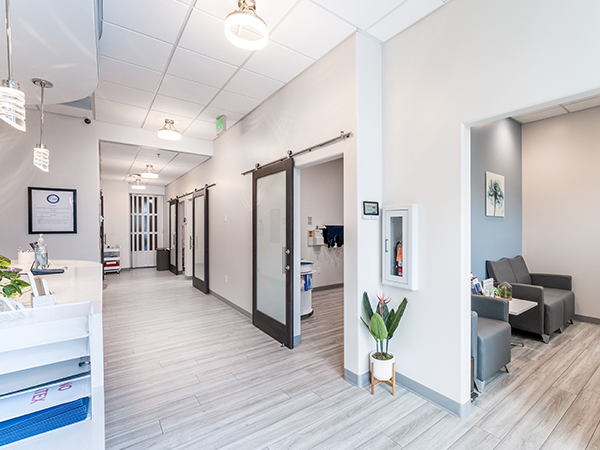
Our Locations
Learn More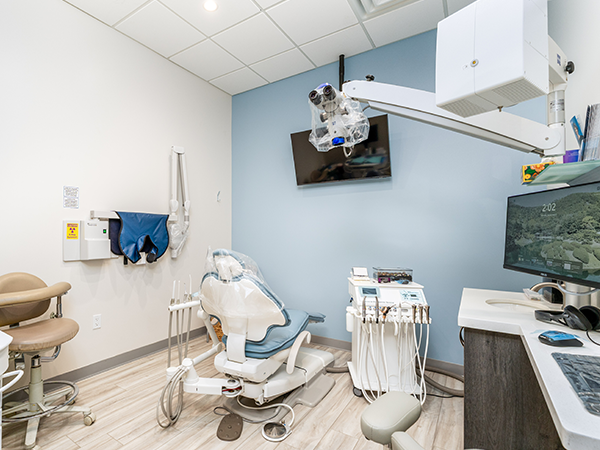
Keep
In Touch

Visit Us Today
Find a location
Atascadero
Location
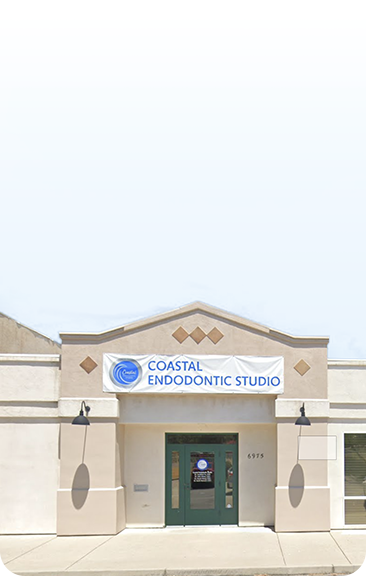
Atascadero
6975 San Luis Avenue Atascadero, CA 93422 Call: 805-960-ENDO (3636)
- Monday
- 8:00am - 5:00pm
- Tuesday
- 8:00am - 5:00pm
- Wednesday
- 8:00am - 5:00pm
- Thursday
- 8:00am - 5:00pm
- Friday
- Closed
- Saturday
- Closed
- Sunday
- Closed
San Luis Obispo
Location
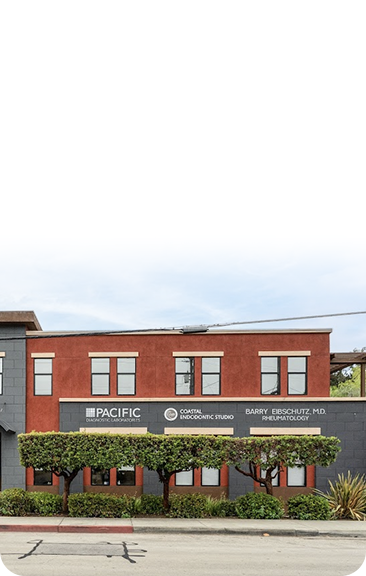
San Luis Obispo
1039 Murray Avenue, Suite 120 San Luis Obispo, CA 93405 Call: 805-960-ENDO (3636)
- Monday
- 8:00am - 5:00pm
- Tuesday
- 8:00am - 5:00pm
- Wednesday
- 8:00am - 5:00pm
- Thursday
- 8:00am - 5:00pm
- Friday
- 8:00am - 5:00pm
- Saturday
- Closed
- Sunday
- Closed
Santa Maria
Location
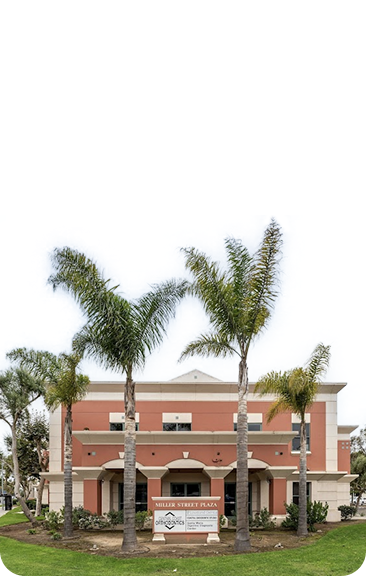
Santa Maria
1315 South Miller Street Suite 202 Santa Maria, CA 93454 Call: 805-960-ENDO (3636)
- Monday
- Closed
- Tuesday
- 8:00am - 5:00pm
- Wednesday
- 8:00am - 5:00pm
- Thursday
- 8:00am - 5:00pm
- Friday
- 8:00am - 5:00pm
- Saturday
- Closed
- Sunday
- Closed
Arroyo Grande
Location
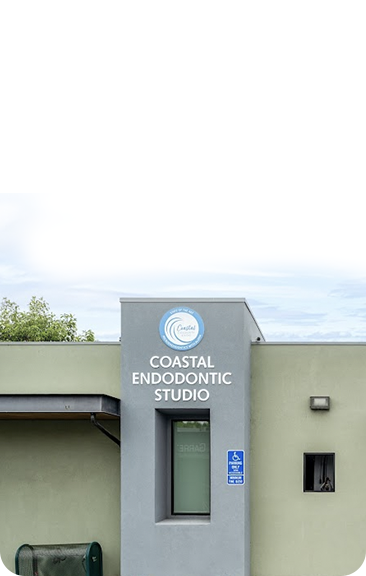
Arroyo Grande
1054 East Grand Ave., Suite C Arroyo Grande, CA 93420 Call: 805-960-ENDO (3636)
- Monday
- 8:00am - 5:00pm
- Tuesday
- 8:00am - 5:00pm
- Wednesday
- 8:00am - 5:00pm
- Thursday
- 8:00am - 5:00pm
- Friday
- Closed
- Saturday
- Closed
- Sunday
- Closed
© 2026 Coastal Endodontic Studio. All Rights Reserved. Accessibility Statement - Privacy Policy - Sitemap
