

Signs You May Need Root Canal Treatment

Tooth pain does not always mean you need root canal treatment, but certain symptoms should not be ignored. When the soft tissue inside a tooth becomes inflamed or infected, timely endodontic care can relieve discomfort, remove the damaged tissue, and help preserve your natural tooth.
Persistent or Severe Tooth Pain
Ongoing tooth pain is one of the most common reasons patients seek an evaluation. The discomfort may be constant, or it might become more noticeable when chewing, biting, or applying pressure to the tooth.
Pain can also spread to the jaw, ear, or nearby teeth, making it difficult to identify the source without a professional examination. Even when the pain temporarily improves, the underlying infection may still be present.
Sensitivity to Hot and Cold
Brief sensitivity after consuming something hot or cold is common. However, sensitivity that lingers after the food or drink is gone could indicate inflammation or damage inside the tooth.
A sudden change in temperature sensitivity is especially important to evaluate when it affects only one tooth or becomes more intense over time. Root canal treatment may be recommended when the dental pulp can no longer recover on its own.
Swelling, Tenderness, or Gum Changes
An infected tooth can affect the surrounding gums and tissues. Symptoms that warrant prompt attention include:
• Swelling around a specific tooth
• Tender or painful gums
• A small bump resembling a pimple on the gum
• Swelling in the face or jaw
• An unpleasant taste or drainage in the mouth
Swelling can indicate that an infection has spread beyond the inside of the tooth. Contact our endodontists promptly, particularly if swelling is increasing or accompanied by fever or difficulty swallowing.
A Cracked, Chipped, or Injured Tooth
Cracks, chips, and traumatic dental injuries can allow bacteria to reach the pulp inside a tooth. Damage is not always easy to see, and symptoms may not develop immediately after an accident.
You might experience sharp pain while biting, sensitivity when releasing pressure, or discomfort that comes and goes. An endodontic evaluation can determine whether the pulp has been affected and whether root canal treatment is needed to save the tooth.
Tooth Discoloration
A tooth that becomes noticeably darker than the surrounding teeth may have experienced trauma or internal tissue damage. Discoloration does not automatically mean a root canal is necessary, but it should be examined to determine whether the pulp remains healthy.
What Happens During Root Canal Treatment?
During root canal treatment, the damaged or infected pulp is removed from inside the tooth. The root canal system is then carefully cleaned, disinfected, and sealed. Depending on the tooth and the extent of damage, treatment may require one or more visits.
After the procedure, our endodontist may recommend a permanent restoration or custom crown to protect the tooth and restore normal function. Addressing symptoms early can improve the chances of preserving your natural tooth and preventing the infection from becoming more serious.
Schedule an endodontic evaluation with Coastal Endodontic Studio to determine whether root canal treatment is right for you. Contact our office in San Luis Obispo, Santa Maria, Atascadero, or Arroyo Grande, CA, by calling 805-960-ENDO (3636) to book an appointm
Our Locations
Learn More
Keep
In Touch

Visit Us Today
Find a location
Atascadero
Location
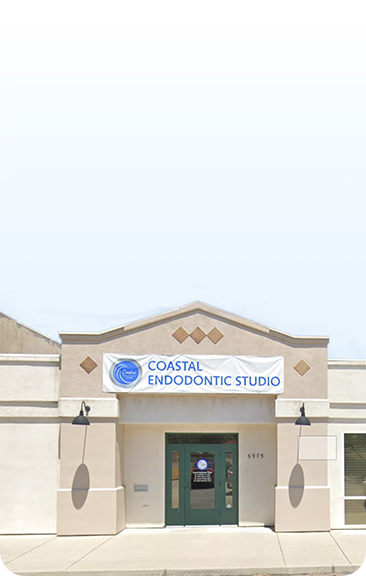
Atascadero
6975 San Luis Avenue Atascadero, CA 93422 Call: 805-960-ENDO (3636)
- Monday
- 8:00am - 5:00pm
- Tuesday
- 8:00am - 5:00pm
- Wednesday
- 8:00am - 5:00pm
- Thursday
- 8:00am - 5:00pm
- Friday
- Closed
- Saturday
- Closed
- Sunday
- Closed
San Luis Obispo
Location
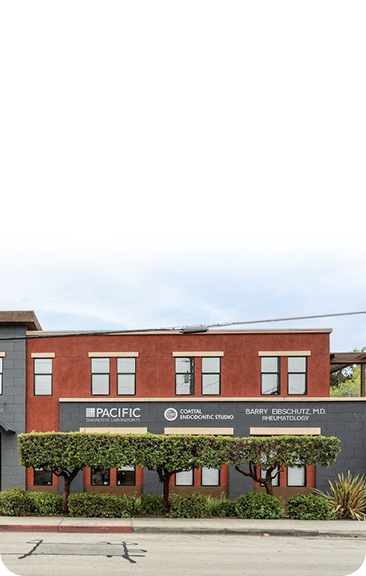
San Luis Obispo
1039 Murray Avenue, Suite 120 San Luis Obispo, CA 93405 Call: 805-960-ENDO (3636)
- Monday
- 8:00am - 5:00pm
- Tuesday
- 8:00am - 5:00pm
- Wednesday
- 8:00am - 5:00pm
- Thursday
- 8:00am - 5:00pm
- Friday
- 8:00am - 5:00pm
- Saturday
- Closed
- Sunday
- Closed
Santa Maria
Location
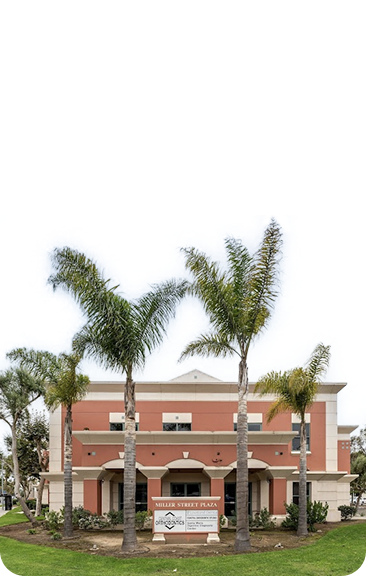
Santa Maria
1315 South Miller Street Suite 202 Santa Maria, CA 93454 Call: 805-960-ENDO (3636)
- Monday
- Closed
- Tuesday
- 8:00am - 5:00pm
- Wednesday
- 8:00am - 5:00pm
- Thursday
- 8:00am - 5:00pm
- Friday
- 8:00am - 5:00pm
- Saturday
- Closed
- Sunday
- Closed
Arroyo Grande
Location
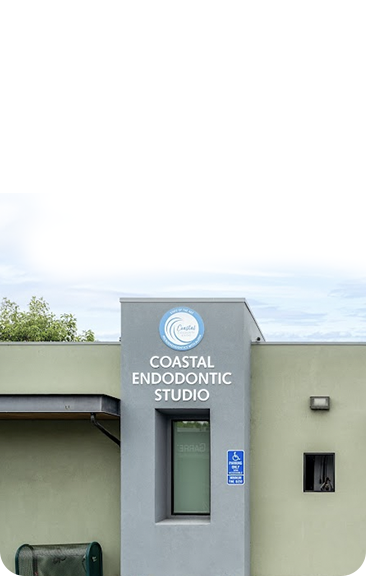
Arroyo Grande
1054 East Grand Ave., Suite C Arroyo Grande, CA 93420 Call: 805-960-ENDO (3636)
- Monday
- 8:00am - 5:00pm
- Tuesday
- 8:00am - 5:00pm
- Wednesday
- 8:00am - 5:00pm
- Thursday
- 8:00am - 5:00pm
- Friday
- Closed
- Saturday
- Closed
- Sunday
- Closed
© 2026 Coastal Endodontic Studio. All Rights Reserved. Accessibility Statement - Privacy Policy - Sitemap
